
Modernization / 3 min read
Legacy systems are now a competitive disadvantage
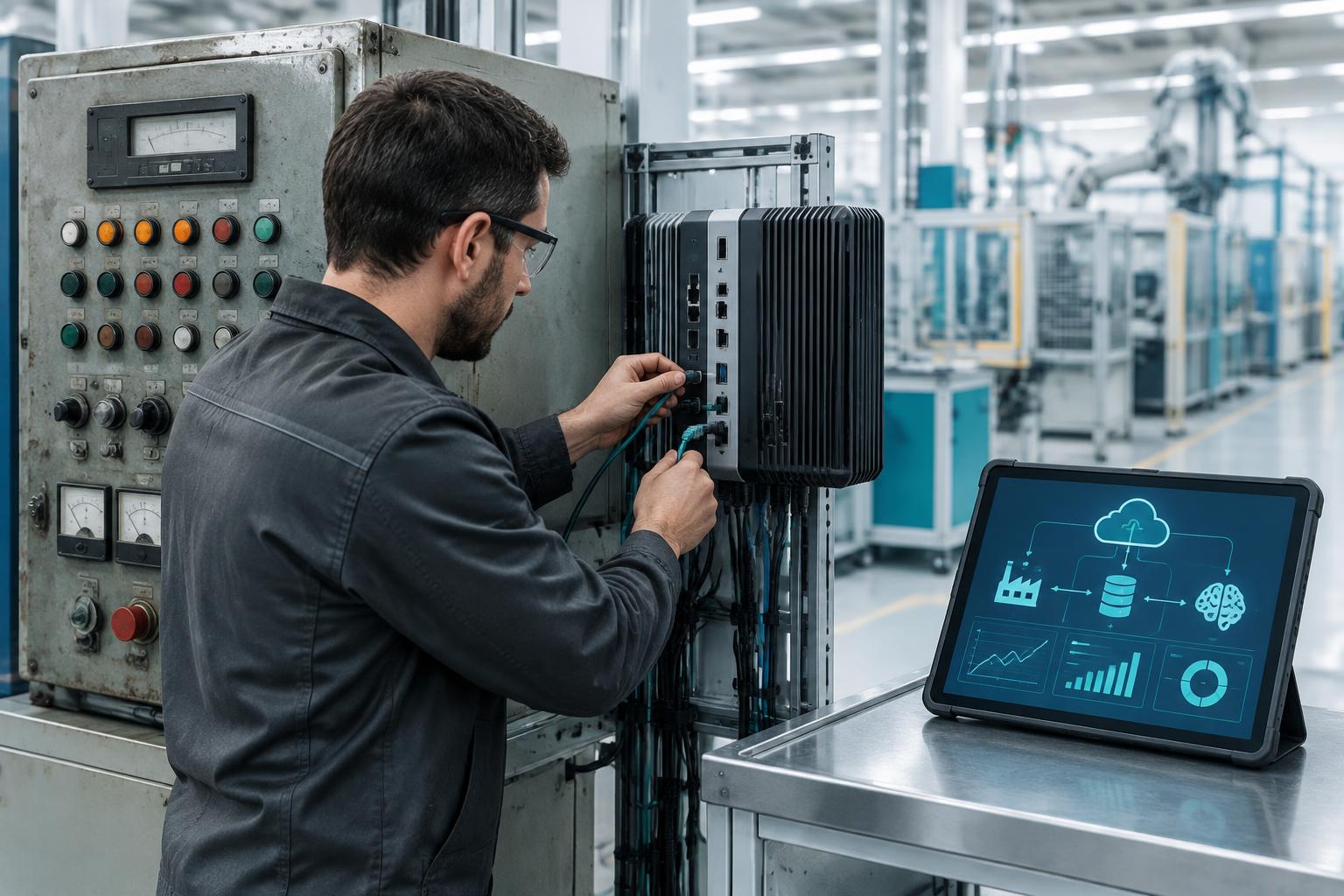
The question is not how old a system is. It is what the system prevents the business from doing. When legacy complexity blocks integration, slows decisions and makes every new initiative harder, stability has become a competitive liability.
The operating reality
The cost compounds quietly. Multiple ERP instances from acquisitions. Custom integrations only a few people understand. Batch reporting that arrives after the decision. Plant systems cut off from enterprise data. Inconsistent master records. Each workaround adds friction: acquisitions take longer to integrate, pricing needs manual reconciliation, data scientists hunt for data instead of building models, plant improvements will not scale. Legacy integration, data quality and talent gaps can prevent AI from scaling. The leaders rebuild core systems; the laggards stay on bolt-ons.
Modernization is not replacement. A credible strategy sorts systems into four buckets: retain what is reliable and differentiating, modernize what needs new architecture, encapsulate what can stay but must expose its data, retire what costs more than it returns. That produces a sequence based on value and risk, not age or vendor pressure.
Data can create value before full replacement. A modern platform can unify ERP, MES, CRM, quality and plant data, improving visibility and common definitions while the application roadmap runs. The discipline is to build a bridge, not another permanent layer of complexity.
The overlooked risk is knowledge, not technology. The people who understand the custom code, business rules and workarounds are retiring. Modernization requires leaders who respect institutional expertise while challenging outdated practice, and builders who can reverse engineer the old and document the new.
The talent behind it spans a CIO, CTO or transformation leader to prioritize the portfolio, enterprise and cloud architects, ERP and application modernization leaders, integration and data engineers, MDM, governance and cybersecurity specialists, and product and change leaders. You need not own every role permanently, but you must know which are critical.
The Sebastian Group view
Modernization is discussed as procurement. It is a leadership, architecture and capability challenge. We connect modernization priorities to the people who can deliver them: leaders who make sound investment calls and builders who work across old and new without losing operational knowledge.